
Table
Exploring the Cartoixa de Montalegre: A Jewel of Catalan Heritage
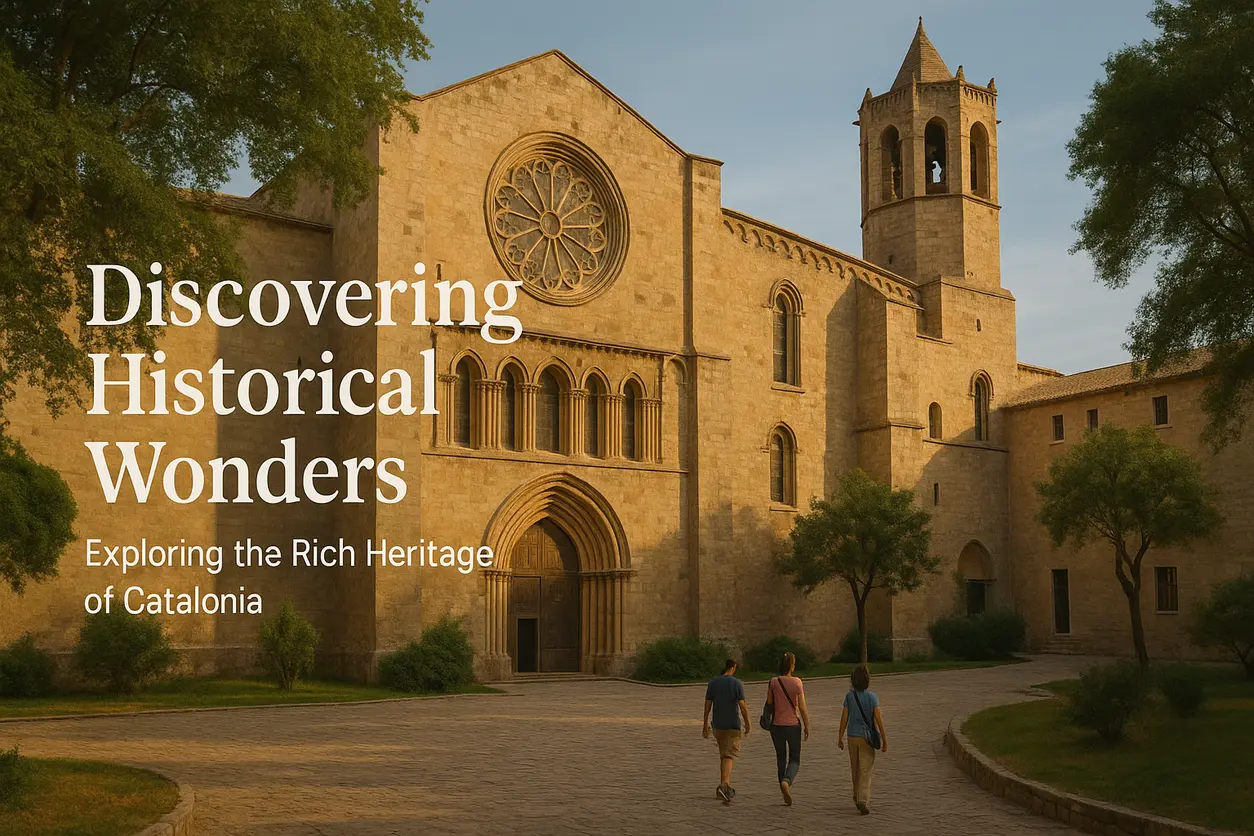
The Cartoixa de Montalegre, nestled in the picturesque town of Tiana in the Maresme region of Catalonia, stands as a testament to the rich historical tapestry of the area. This Carthusian monastery is one of the few remaining in Catalonia that still houses an active community of monks. Its storied past and stunning architecture draw visitors and history enthusiasts alike, making it a significant cultural heritage site.
A Glimpse into History
The Medieval Foundations
The origins of the Cartoixa de Montalegre trace back to 1247, marking its inception with a convent for women founded by the lords of Campsentelles. This establishment initially housed a small community of Augustinian nuns. In 1250, the Bishop of Barcelona blessed the convent’s chapel, a pivotal moment that signaled the site's spiritual importance. Fast forward to 1362, solitude led the community to relocate to what is now the Church of Santa Maria de Montalegre in Barcelona.
The Transformation into a Monastery
A shift occurred in 1399 when a group of hermits, including Arnau de Torrevella, established themselves in the area. The monastery changed hands multiple times until 1409 when it was acquired by the Hospital de la Santa Creu in Barcelona. The first major renovations began in 1415 under the leadership of the prior of Vallparadís due to the growing needs of the monastic community.
Challenges and Resilience
The Cartoixa faced numerous challenges during the centuries—most notably during the French War (1808-1814) when the monks had to abandon their home. Subsequent liberal movements led to further expropriations, and by the late 19th century, the monastery was repurposed for various roles, including that of a hospital during epidemics. The community managed to re-establish itself in 1901, marking a significant revival of monastic life at Montalegre.
The Architectural Marvel
Building Structure and Design
The Cartoixa de Montalegre is comprised of three main sectors that illustrate Gothic architectural beauty. The first sector, intended for conversos, includes the porter’s lodge and various dependencies. The second sector showcases common facilities such as the church, dining hall, and chapter house, all centered around a small cloister. This area underscores the monastic lifestyle and communal living that characterized the Carthusian order.
The Church: A Sacred Space
The church itself is a stunning structure with a single high nave measuring 35.40 meters long and 8.4 meters wide. Adhering to Carthusian norms, it lacks lateral chapels, instead featuring a beautifully crafted main altar. Intricate ribbed vaults dominate the ceiling, creating a serene atmosphere suitable for prayer and reflection. Notably, the main entrance is adorned with exquisite Gothic details, inviting worshippers and visitors alike into a space of tranquility.
Cloisters: Centers of Contemplation
Three cloisters enhance the serenity of the monastery. The oldest and smallest cloister connects directly to the church, presenting a square layout supported by elegant columns. The central cloister, measuring 53.7 meters per side, fosters a contemplative atmosphere crucial to the monks’ eremitic lifestyle. Surrounding these cloisters are simple yet functional cells, illustrating the Carthusian commitment to ascetic living.
The Defensive Tower
Among Montalegre’s architectural highlights is a medieval defensive tower, originally part of an old farmhouse. This tower, serving as a reminder of the region's turbulent past, has undergone various modifications but retains its historical essence. The structure showcases protective features, including arrow slits, reflecting the need for vigilance during earlier centuries.
Current Relevance and Legacy
Today, the Cartoixa de Montalegre is not only a functioning monastery but also a cultural heritage site that attracts tourists interested in history, architecture, and spirituality. The significance of this site is recognized by its designation as a cultural asset of local interest. Monks continue to live according to Carthusian traditions, offering visitors an insight into a tranquil, contemplative way of life that has persisted for centuries.
Conclusion
The Cartoixa de Montalegre stands as a remarkable example of Catalonia's rich ecclesiastical heritage. Its complex history, architectural elegance, and ongoing monastic life provide a unique perspective on the enduring nature of faith and community. As we reflect on its past and present, one cannot help but appreciate the resilience and dedication of those who have called this sacred site home.
If you want to know other articles similar to Unveiling the Cartoixa de Montalegre: A Historical Treasure of Catalonia you can visit the Daily News category.
Discovering Cadaqués: The Enchanting Dalí Route and Its Artistic Legacy

Exploring the Enchanting Beauty of Girona's Temps de Flors 2026: A Springtime Floral Extravaganza
The Enchanting Sanctuary of Mare de Déu de Montserrat de Montferri: Discovering Catalonia’s Hidden Treasure

Experience the Wonders of the August 12 Solar Eclipse in Catalonia
Celebrating a Quarter Century of Catalan Wikipedia: A Beacon of Knowledge and Cultural Identity
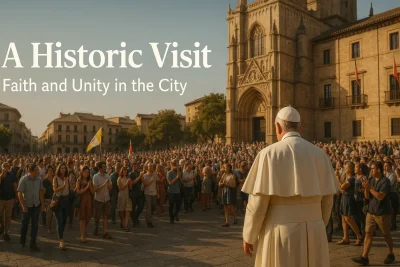
Pope Leo XIV's Upcoming Visit to Barcelona: A Historic Moment of Faith and Unity